
Juvenile offenses are handled differently from adult criminal cases, but the consequences can still affect a young person’s education, future opportunities, and personal development. In Fort Pierce, Florida, minors who are accused of violating the law enter the juvenile justice system, which focuses on rehabilitation while still enforcing accountability.
Understanding common juvenile offenses and the defense strategies that may apply can help families make informed decisions when facing these situations. Guidance from a fort pierce juvenile defense attorney is often an important step in understanding legal rights and exploring options within the justice system.
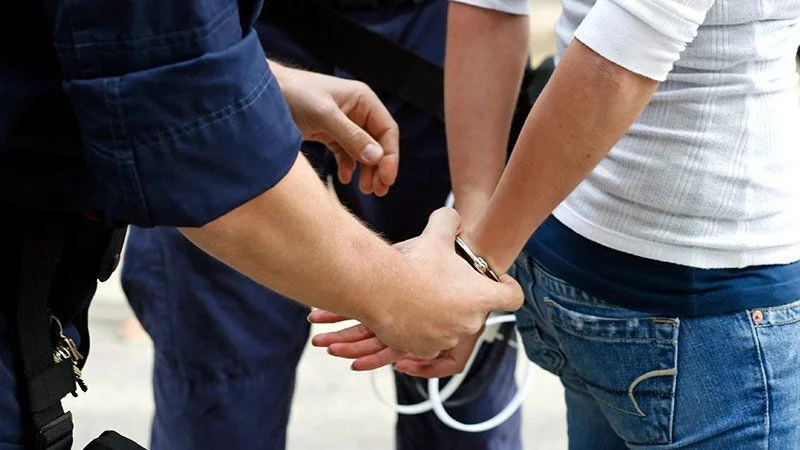
Understanding the Juvenile Justice System in Florida
The Florida juvenile justice system is designed to address crimes committed by individuals under the age of 18. Unlike adult courts, juvenile courts emphasize rehabilitation, education, and prevention of repeat offenses. However, juvenile cases can still involve serious legal consequences, including detention, probation, counseling programs, and community service.
Even though the system focuses on rehabilitation, legal representation is still important. A fort pierce juvenile defense attorney can help analyze the circumstances of a case, ensure that a minor’s rights are protected, and guide families through complex legal procedures.
Juvenile cases often involve different procedures compared to adult criminal matters. Court hearings may focus more on behavioral evaluation and rehabilitation plans, but the legal process still requires careful preparation and strategic defense.
Common Juvenile Offenses in Fort Pierce
Juvenile offenses vary widely in severity and circumstances. Some of the most common cases handled in the juvenile system include the following.
1. Theft and Shoplifting
Theft-related offenses are among the most common juvenile crimes in Fort Pierce. These cases may involve shoplifting, stealing personal property, or taking items from school or public locations.
Although some theft offenses may appear minor, they can still lead to court involvement, probation, or other consequences within the juvenile system. Defense strategies in these cases often focus on reviewing the evidence, questioning witness statements, and determining whether misunderstandings or mistakes occurred.
Legal guidance from a fort pierce juvenile defense attorney can help evaluate the situation and identify potential options for minimizing long-term consequences.
2. Drug Possession
Juvenile drug charges may involve possession of controlled substances, marijuana, or prescription medications without authorization. Florida law treats drug-related offenses seriously, even for minors.
Consequences may include participation in counseling programs, probation, or educational courses focused on substance abuse prevention. Defense strategies may involve examining how evidence was obtained, determining whether search procedures were lawful, and evaluating whether the charges are supported by sufficient proof.
Consulting a fort pierce juvenile crime attorney can help determine whether procedural issues or evidentiary weaknesses exist in a particular case.
3. Assault or Physical Altercations
Physical disputes between minors can sometimes lead to assault charges. These incidents may occur at school, in neighborhoods, or during social gatherings.
Juvenile assault cases often involve conflicting witness accounts and emotional situations. Defense strategies may focus on determining whether the incident involved self-defense, misunderstanding, or exaggerated claims.
Legal analysis from a fort pierce juvenile defense attorney can help identify the facts of the situation and ensure that the case is evaluated fairly within the court system.
4. Vandalism and Property Damage
Vandalism cases involve damage to property such as buildings, vehicles, school facilities, or public spaces. Graffiti and intentional property destruction are examples that commonly appear in juvenile court cases.
Defense strategies often involve reviewing evidence, determining whether the accused minor was actually responsible, and evaluating whether other individuals were involved. In some cases, alternative resolutions such as restitution programs or community service may be considered.
A fort pierce juvenile crime attorney may analyze the evidence to determine whether the charges are supported by credible proof.
5. Underage Alcohol Possession
Possession of alcohol by minors is another common juvenile offense. These cases may arise during social events, school gatherings, or public incidents involving law enforcement.
Although the offense may appear minor, it can still lead to legal consequences such as fines, educational programs, or probation requirements. Defense strategies may involve questioning how evidence was obtained and determining whether the minor had actual possession or control of the alcohol.
Guidance from a fort pierce juvenile defense attorney can help clarify potential outcomes and legal options.
How Defense Strategies Work in Juvenile Cases
Every juvenile case is unique, and defense strategies depend on the facts, evidence, and circumstances surrounding the accusation. Effective defense strategies typically involve several key steps.
Evidence Review
The first step often involves reviewing all available evidence, including police reports, witness statements, and physical evidence. Careful analysis may reveal inconsistencies, inaccuracies, or missing information.
Protecting Legal Rights
Minors have legal rights during investigations and court proceedings. Ensuring that these rights are respected can play an important role in the outcome of a case. A fort pierce juvenile crime attorney may review whether procedures followed by law enforcement were lawful and appropriate.
Identifying Alternative Resolutions
In some juvenile cases, courts may consider rehabilitation-focused solutions such as diversion programs, counseling, or educational courses. These alternatives may reduce the long-term impact of the charges while still addressing the underlying issues.
Presenting the Case in Court
When cases proceed to hearings, presenting accurate information and clear arguments is essential. Judges in juvenile courts consider not only the facts of the case but also the minor’s background, behavior, and future prospects.
Guidance from a criminal defense attorney in Fort Pierce, FL with experience in juvenile matters can help ensure that the case is presented clearly and fairly.
Long-Term Impact of Juvenile Charges
Even though juvenile cases are handled differently from adult criminal matters, they can still have lasting effects. Educational opportunities, employment prospects, and future legal matters may be influenced by a juvenile record.
Understanding the legal process and addressing charges promptly can help reduce these long-term risks. Early legal guidance can help families explore options that protect the minor’s future while ensuring accountability within the legal system.
A fort pierce juvenile defense attorney can help families understand potential outcomes and available legal strategies.
Importance of Early Legal Guidance
When a minor is accused of a crime, early action is often beneficial. Prompt legal evaluation can help determine the best course of action, identify potential defenses, and ensure that all legal rights are protected.
Juvenile cases often move quickly through the court system, making early preparation especially important. Legal professionals who focus on juvenile cases understand the procedures, expectations, and strategies involved in these matters.
Working with a fort pierce juvenile crime attorney can help families navigate the process with greater clarity and confidence.
Contact for Legal Guidance on Juvenile Defense Matters in Fort Pierce
For individuals seeking legal guidance regarding juvenile defense matters in Fort Pierce, inquiries can be directed to the following office:
Address: 130 S Indian River Dr Suite 202 Office 218, Fort Pierce, FL 34950, United States
Email: matzar@bellsouth.net
Phone: 772-828-1143
FAQs
1. What are the most common juvenile offenses in Fort Pierce?
Common juvenile offenses include theft, drug possession, vandalism, assault, and underage alcohol possession. Each case is handled through the juvenile justice system, which focuses on rehabilitation and accountability.
2. Can juvenile records affect future opportunities?
Yes. Juvenile records may impact educational opportunities, employment prospects, and other aspects of a person’s future. Addressing charges properly and exploring legal options can help reduce these long-term effects.
3. Why is legal guidance important in juvenile cases?
Juvenile cases involve unique procedures and legal standards. Legal guidance helps ensure that the minor’s rights are protected and that defense strategies are carefully evaluated based on the facts of the case.