
When someone is convicted of a crime in Florida, many believe the legal journey is over. But in reality, the law recognizes that errors, oversights, or new information may surface even after trial and appeal. Post-conviction relief gives individuals a chance to challenge their conviction or sentence when certain issues are raised, one of the most important being newly discovered evidence.
Understanding what qualifies as “newly discovered” can make the difference between continuing to live under the weight of a conviction and getting a second chance. If you or someone you care about is exploring options for post-conviction relief, consulting an experienced post-conviction lawyer in Florida can help you understand how courts evaluate new evidence and what legal steps may be available.
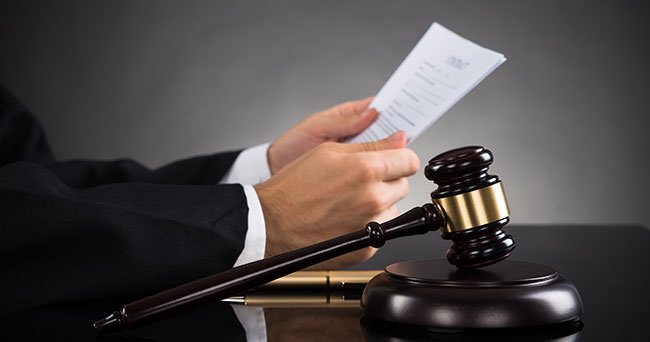
What Does Newly Discovered Evidence Mean in Florida?
In Florida, the courts define newly discovered evidence as information that:
- Was not known at the time of trial, and could not have been uncovered through reasonable diligence.
- Would probably produce a different outcome if it had been presented to the jury.
This means the evidence cannot simply be newly created or a re-interpretation of facts already available during trial. Instead, it must be genuinely fresh information that was unavailable to the defense despite reasonable efforts.
For example:
- A witness who comes forward years later with testimony that contradicts trial evidence.
- Misconduct by law enforcement or prosecutors that only came to light after trial.
Examples of Evidence Courts May Consider
Not all new information automatically qualifies as newly discovered evidence. Courts typically consider the following categories:
1. New Witness Testimony
Sometimes, a witness who did not testify at trial may later come forward. If this person provides credible testimony that supports the defense or discredits the prosecution’s evidence, it may qualify. However, courts are cautious and will evaluate whether the testimony is reliable, material, and likely to affect the verdict.
2. Scientific or Forensic Advances
Technology evolves quickly, and methods of testing that were unavailable at the time of trial may later produce significant evidence. DNA testing is a common example where previously untested samples can provide proof of innocence.
3. Evidence of Misconduct
If it is revealed that police, prosecutors, or other officials withheld evidence, coerced witnesses, or engaged in misconduct, this can be grounds for post-conviction relief. Such information, when verified, is often seen as highly material to a fair trial.
4. Recanted Testimony
In some cases, a witness who testified against the defendant may later admit that their testimony was false or coerced. While courts treat recantations with caution, credible and corroborated recantations can be considered newly discovered evidence.
How Florida Courts Evaluate Newly Discovered Evidence
Florida courts apply a strict test when reviewing post-conviction claims:
- Could the evidence have been found earlier? If reasonable investigation during trial could have uncovered it, the court may reject the claim.
- Would the evidence change the outcome? Even if new, the evidence must be powerful enough that it could probably alter the verdict.
- Is the evidence credible? The court considers whether the new information is reliable and supported by facts.
This evaluation is complex, which is why individuals often seek guidance from a criminal defense attorney in Florida who has experience with post-conviction cases. A knowledgeable felony defense lawyer in Florida can assess the strength of the evidence and present a compelling argument to the court.
Why Newly Discovered Evidence Matters in Post-Conviction Cases
Newly discovered evidence can be life-changing. It provides a legal pathway to:
- Vacating a conviction if the evidence shows innocence or undermines the fairness of the trial.
- Reducing a sentence if the evidence impacts the severity of charges or sentencing factors.
- Securing a new trial where all facts are properly presented.
These outcomes can mean freedom, reduced penalties, or the restoration of one’s reputation.
The Role of a Criminal Defense Attorney in Florida
Post-conviction relief is not automatic it requires detailed legal work, strict filings, and persuasive arguments. Courts are cautious when reopening cases, and without professional guidance, strong evidence might not get the fair hearing it deserves.
This is why many turn to an experienced criminal defense lawyer in Florida when pursuing post-conviction relief. A skilled felony defense lawyer in Florida can:
- Investigate whether new evidence qualifies under Florida law.
- File motions within the appropriate courts.
- Challenge the credibility of prior testimony.
- Use forensic experts to validate scientific findings.
- Build a comprehensive argument that the evidence justifies relief.
Having the right legal advocate can make the difference between a dismissed claim and a chance at justice.
When to Seek Help
If you believe that new evidence exists in your case or in the case of a loved one it’s important to act quickly. Post-conviction motions in Florida involve strict rules, and waiting too long can limit options. Speaking with a professional can provide clarity on whether the evidence meets Florida’s legal standard and how to best present it to the court.
Contact Information
For more guidance on post-conviction relief and newly discovered evidence in Florida, you can reach out to:
📍 Address: 130 S Indian River Dr, Suite 202 Office 218, Fort Pierce, FL 34950, United States
📞 Phone: 772-828-1143
📧 Email: matzar@bellsouth.net
FAQs
1. What counts as newly discovered evidence in Florida post-conviction cases?
Newly discovered evidence is information that was unknown and could not have been found during trial despite reasonable efforts. It must also be powerful enough to likely change the trial outcome.
2. Can recanted testimony qualify as newly discovered evidence?
Yes, but courts review recantations cautiously. If the recantation is credible, corroborated, and material to the case, it may qualify.
3. How can a criminal defense attorney in Florida help with newly discovered evidence?
An experienced lawyer can review the case, evaluate the strength of the evidence, file the necessary motions, and argue why the court should consider the evidence in granting relief.