
Underage drinking and driving is taken extremely seriously in Florida. While DUI laws apply to drivers of all ages, the rules for drivers under 21 are much stricter. Even a small amount of alcohol in a young driver’s system can lead to criminal charges, long-term consequences, and a permanent mark on their record.
Many families only discover how strict these laws are after an arrest occurs. Whether the situation involves a young driver leaving a party, a juvenile involved in a traffic stop, or a teen who made a single mistake, understanding Florida’s underage DUI system is important. In these moments, individuals often seek guidance from a dui defense attorney in Fort Pierce, FL who understands the legal process, the local courts, and the penalties that come with these charges.
This guide explains the special rules for underage DUI, what makes these cases different, why local experience matters, and how the legal system views underage offenders.
Featured Snippet–Friendly Summary
What are the special rules for underage DUI in Florida?
Florida follows a “zero tolerance” policy for drivers under 21. Anyone underage with a BAC of 0.02 or higher can face penalties, including criminal charges, license issues, and mandatory legal procedures. Even without a BAC test, impairment behavior alone can lead to a DUI charge.
Why Florida Has Different Rules for Underage Drivers
Underage DUI laws exist because drivers under 21 are not legally allowed to consume alcohol at all. So any amount of alcohol even below the adult legal limit of 0.08 can result in charges.
Young drivers may be stopped for:
- Speeding or reckless driving
- Driving late at night near party areas
- Failing to stay in their lane
- Involvement in minor accidents
- Driving after consuming alcohol at gatherings
- Behavior that officers interpret as impairment
In some cases, juvenile DUI charges also involve drug-related impairment, including prescription medication, THC, or illegal substances. These cases are treated seriously because they involve both alcohol/drug restrictions and driving safety.
Florida’s Zero Tolerance Law Explained
Florida’s 0.02 BAC limit for underage drivers is one of the strictest in the country. To put this into perspective, this amount can register after just one drink for many young people or even less, depending on body weight and metabolism.
Under this law:
- Officers can detain a young driver for a very low BAC
- Breathalyzer refusal carries its own penalties
- Additional charges can apply if impairment is observed
- Drug impairment counts even without alcohol present
Because the BAC threshold is so low, many teens are surprised when they face criminal charges, believing they were “not drunk.” Legally, alcohol presence alone is enough to initiate consequences.
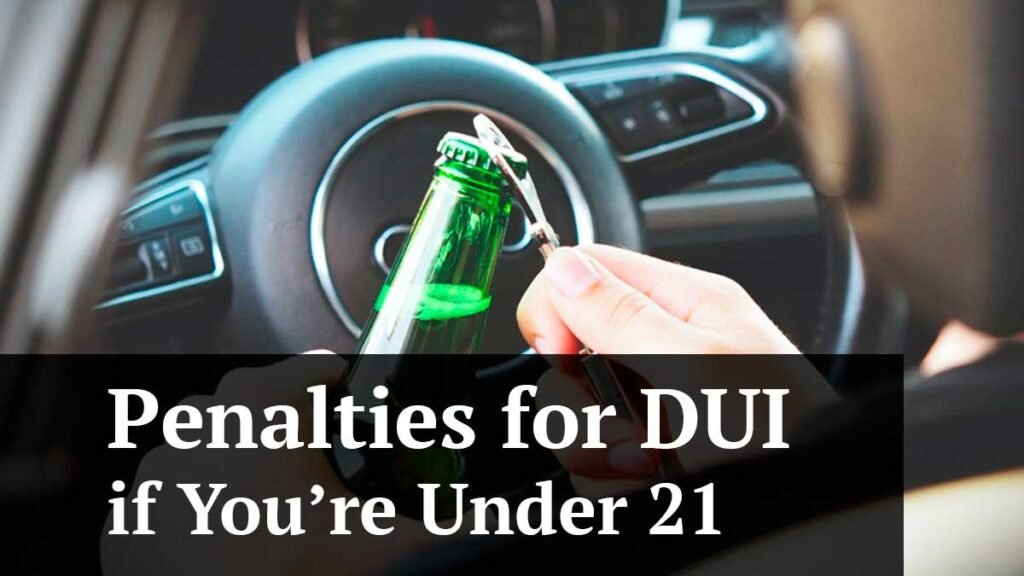
Underage DUI Penalties in Florida
When someone under 21 is charged with DUI in Florida, the penalties can include:
- Criminal charges
- Record consequences
- License restrictions
- Mandatory programs
- Community-related requirements
These penalties vary depending on:
- Whether this is the person’s first offense
- Whether an accident occurred
- Whether injuries were involved
- Whether drugs were involved
- Whether refusal of testing occurred
A criminal defense lawyer in Fort Pierce, FL who handles underage DUI and juvenile cases understands how these factors impact the path forward.
Common Reasons Underage Drivers Face Additional Charges
Underage DUI cases often involve more than one legal issue. These may include:
1. Possession of Alcohol by a Minor
If alcohol is found in the vehicle, additional charges are possible.
2. Fake ID or Misrepresentation
Attempting to buy alcohol using false identification can add separate criminal allegations.
3. Reckless Driving or Speeding
If the stop involved dangerous behavior, prosecutors may add charges.
4. Drug-Related DUI
Many juvenile DUI cases involve substances other than alcohol.
5. Accidents or Property Damage
If the young driver caused damage or injury, penalties can increase.
Courts view underage drivers as a high-risk category, so these layered charges can become complex quickly.
How Underage DUI Differs From Adult DUI Cases
Although both involve criminal accusations, underage DUI is treated differently because:
- The BAC threshold is significantly lower
- There are additional laws tied specifically to minors
- Juvenile courts follow different procedures
- Judges may require extra evaluations for young offenders
- Parents or guardians are often involved
Some underage DUI cases go through the juvenile court system, while others go through adult criminal court depending on age and circumstances. This is one reason why people often seek legal guidance early to understand which court will handle the case.
Why Local Knowledge Matters for Underage DUI in Fort Pierce
Fort Pierce is part of Florida’s 19th Judicial Circuit, which has unique local tendencies regarding juvenile and underage DUI cases.
A local dui defense attorney in Fort Pierce, FL may offer insight into:
- How specific judges handle underage DUI
- How prosecutors negotiate juvenile cases
- What documentation local officers rely on
- Which police procedures are commonly challenged
- How breath test results are typically introduced
- What local rehabilitation or educational programs courts prefer
Every county has different courtroom expectations, and Fort Pierce is no exception.
Police Procedures in Fort Pierce DUI Stops
Local law enforcement in Fort Pierce works along:
- US-1
- Indian River Drive
- I-95
- Downtown areas
- School zones and colleges
Underage DUI stops are often triggered by driving patterns that raise suspicion. Local officers frequently rely on:
- Field sobriety tests
- Breathalyzer tests
- Body cam footage
- Police reports
- Observations of behavior
Understanding how local agencies document these steps helps identify whether errors were made.
How a Criminal Defense Lawyer Approaches Underage DUI Cases
Underage DUI cases often require attention to detail. A criminal defense lawyer in Fort Pierce, FL may focus on:
- Whether the traffic stop was lawful
- Whether the BAC reading was accurate
- Whether the field sobriety tests were done correctly
- Whether there is video evidence contradicting the report
- Whether the young driver’s rights were violated
- Whether the case belongs in juvenile or adult court
- Whether any additional charges were improperly added
Because young drivers often have their whole future ahead of them college opportunities, jobs, licensing — it’s important to understand the legal implications fully before making decisions.
Why Parents Often Seek Legal Guidance Immediately
Parents and guardians often reach out for guidance because:
- A juvenile or teenager has been arrested
- The family is unfamiliar with Florida’s DUI process
- They worry about long-term consequences
- They want to understand possible next steps
- They want to ensure the case is handled correctly
Underage DUI is not something most families expect, but early information helps avoid mistakes that may impact the young driver’s future.
When Underage DUI Charges Become More Severe
Certain behaviors can increase the seriousness of the case:
- Accidents involving injuries
- Property damage
- Extremely reckless driving
- Drug involvement
- Repeat offenses
- Refusal of testing
These cases often receive closer attention from the courts and prosecutors.
📍 Fort Pierce Contact Information (For Anyone Seeking DUI or Criminal Defense Guidance)
Individuals in Fort Pierce who want guidance regarding DUI or underage DUI can use this information:
📍 Address: 130 S Indian River Dr Suite 202 Office 218, Fort Pierce, FL 34950
📞 Phone: 772-828-1143
✉️ Email: matzar@bellsouth.net
FAQs
1. What is the legal BAC limit for drivers under 21 in Florida?
Florida follows a zero-tolerance rule, which means drivers under 21 can face penalties if their BAC measures 0.02 or higher, even if they don’t feel impaired.
2. Are underage DUI penalties different from adult DUI penalties?
Yes. Underage DUI laws are stricter because drivers under 21 cannot legally consume alcohol. Additional charges like possession of alcohol or fake IDs may also apply.
3. Should parents contact a lawyer after a juvenile DUI arrest?
Many parents choose to seek guidance immediately because underage DUI charges can affect education, insurance, employment opportunities, and long-term records.