
When a young person is accused of a crime, the situation can be stressful and confusing for both the minor and their family. Florida’s juvenile justice system operates differently from the adult criminal system, but the impact of a juvenile offense can still shape a child’s education, reputation, and future opportunities.
That’s why understanding how these cases are handled and when to consult a criminal juvenile attorney in Fort Pierce, FL is essential to protecting a young person’s rights and future.
Need Legal Help for a Juvenile Case in Fort Pierce?
If your child is facing criminal charges, getting early legal guidance can make a huge difference. A skilled criminal juvenile lawyer in Fort Pierce, FL can review the case, explain your options, and guide you through the legal process with care and experience.
Address: 130 S Indian River Dr Suite 202 Office 218, Fort Pierce, FL 34950, United States
Call: 772-828-1143
Email: matzar@bellsouth.net
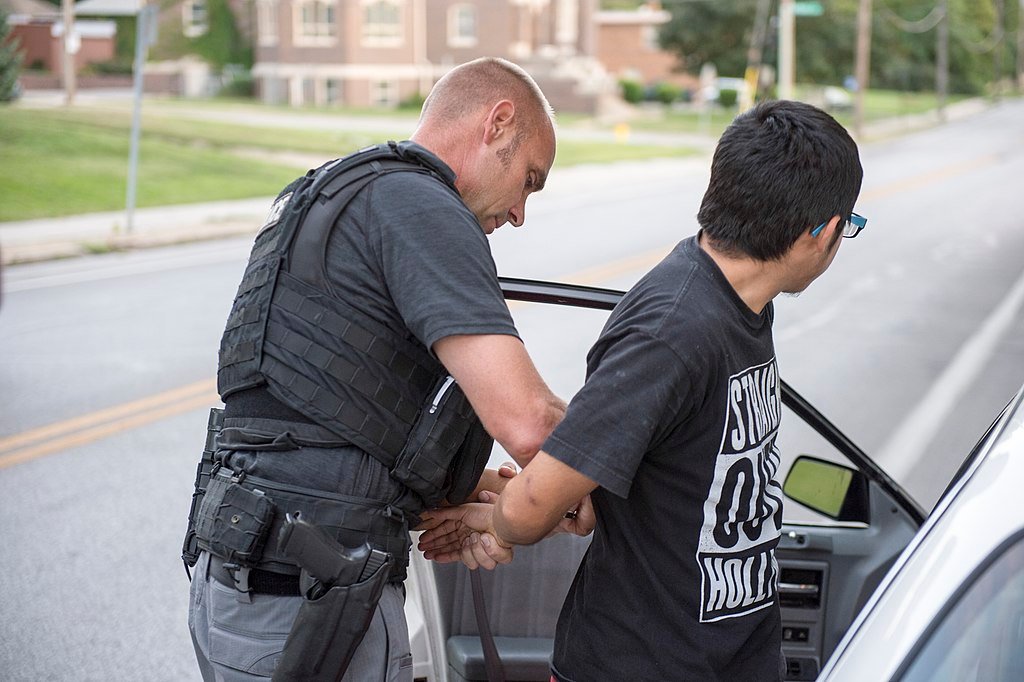
Understanding Juvenile Crimes in Florida
In Florida, juvenile offenses are criminal acts committed by individuals under 18. While the goal of the juvenile justice system is rehabilitation rather than punishment, certain offenses may still result in serious penalties or even transfer to adult court.
Working with experienced criminal lawyers for juveniles in Fort Pierce can help ensure that the case is handled fairly and that the young person’s future remains protected.
Common Types of Juvenile Crimes
Juvenile crimes in Florida can range from minor offenses to more serious violations. Below are some of the most common types handled in the Fort Pierce area:
1. Theft and Shoplifting
One of the most frequent juvenile offenses involves theft—taking another person’s property without permission. Though often seen as a “minor” mistake, a conviction can have lasting effects on school records and future employment. A juvenile criminal defense attorney in Fort Pierce, FL can work to reduce charges or pursue diversion programs for eligible minors.
2. Vandalism or Property Damage
Graffiti, destruction of public property, or damaging private property can all lead to criminal charges. Juvenile courts may require restitution, counseling, or community service, but having a criminal juvenile attorney in Fort Pierce, FL helps ensure fair treatment.
3. Assault or Fighting at School
Physical altercations among students can lead to assault charges, even if no one is seriously hurt. These cases often involve misunderstandings or peer pressure, and skilled juvenile criminal defense lawyers in Fort Pierce can present mitigating factors to the court.
4. Drug or Alcohol Possession
Juveniles caught with illegal drugs, vape pens, or alcohol may face criminal charges and school disciplinary actions. A criminal juvenile attorney in Fort Pierce, FL can help families understand their options, including treatment programs or alternatives to formal adjudication.
5. Cybercrimes and Social Media Misuse
In today’s digital age, many young people face accusations related to online activity—such as cyberbullying, hacking, or sharing explicit content. These offenses can have serious consequences. An experienced criminal lawyer for juveniles in Fort Pierce can guide families through Florida’s complex cybercrime laws.
How the Juvenile Justice Process Works in Florida
Florida’s juvenile court system emphasizes rehabilitation, education, and community safety. When a minor is charged with a crime, the process usually involves the following stages:
- Detention or Release:
After arrest, the court decides whether the child should be detained or released to a guardian. - Intake and Assessment:
The Department of Juvenile Justice (DJJ) evaluates the case to determine the best course of action diversion, probation, or court proceedings. - Court Hearings:
Juvenile hearings are typically closed to the public, focusing on the best interest of the minor. A juvenile criminal defense attorney in Fort Pierce, FL can represent the child, negotiate terms, and advocate for reduced penalties or alternative outcomes. - Rehabilitation or Sentencing:
Depending on the severity of the offense, the court may order counseling, probation, or community service instead of jail time.
Each stage requires careful handling, and families often benefit from working with skilled criminal lawyers for juveniles in Fort Pierce who understand both the legal and emotional sides of these cases.
When Juvenile Cases Are Tried as Adult Cases
While most juvenile offenses stay in juvenile court, Florida law allows certain serious cases—like armed robbery or violent felonies to be transferred to adult court.
This process, known as direct file, can lead to harsher penalties and a permanent criminal record. A dedicated criminal juvenile attorney in Fort Pierce, FL can challenge such transfers and fight to keep the case within the juvenile system, where rehabilitation remains the goal.
The Importance of Legal Representation
Parents often believe that a juvenile case is “not that serious” because the offender is a minor. However, a juvenile conviction can still appear on background checks, affect scholarships, and limit future opportunities.
An experienced juvenile criminal defense attorney in Fort Pierce, FL can identify procedural errors, negotiate with prosecutors, and present evidence that supports rehabilitation rather than punishment.
If you’re uncertain about how to proceed, consider reaching out to a criminal defense attorney in Florida who focuses on juvenile defense for guidance and clarity.
Why Local Experience Matters
Each Florida county may handle juvenile cases slightly differently, depending on the prosecutor’s discretion and local court practices. Working with juvenile criminal defense lawyers in Fort Pierce ensures that your attorney understands the St. Lucie County court system, its procedures, and local resources for young offenders.
Local experience can make a major difference in achieving a favorable outcome.
Moving Forward After a Juvenile Charge
A juvenile charge does not have to define a young person’s future. With the right support and legal strategy, it’s possible to minimize the long-term effects and focus on rehabilitation.
By consulting with a criminal juvenile attorney in Fort Pierce, FL, families can take proactive steps to protect their child’s record, education, and opportunities.
For guidance or to discuss your options:
Address: 130 S Indian River Dr Suite 202 Office 218, Fort Pierce, FL 34950, United States
Call: 772-828-1143
Email: matzar@bellsouth.net
Frequently Asked Questions (FAQs)
1. What happens if my child is arrested for a misdemeanor or felony in Florida?
The juvenile will go through intake and evaluation by the DJJ. Depending on the circumstances, the case may be diverted, placed on probation, or proceed to court. Legal representation from a criminal juvenile attorney in Fort Pierce, FL is highly recommended.
2. Can a juvenile record be sealed or expunged in Florida?
In many cases, yes. Once certain conditions are met, a juvenile criminal defense attorney in Fort Pierce, FL can help file to seal or expunge the record so it doesn’t affect future opportunities.
3. What should parents do if their child is accused of a serious offense?
Stay calm, avoid discussing the case with law enforcement without a lawyer present, and contact criminal lawyers for juveniles in Fort Pierce as soon as possible to protect the child’s rights.